
Jede Marke und jedes Produkt ist einzigartig!
Wir lieben es, Ihre Marke mit individuellen Corporate Design Produkten perfekt in Szene zu setzen. Überzeugen Sie sich von unseren wirkungsvollen und innovativen Lösungen!
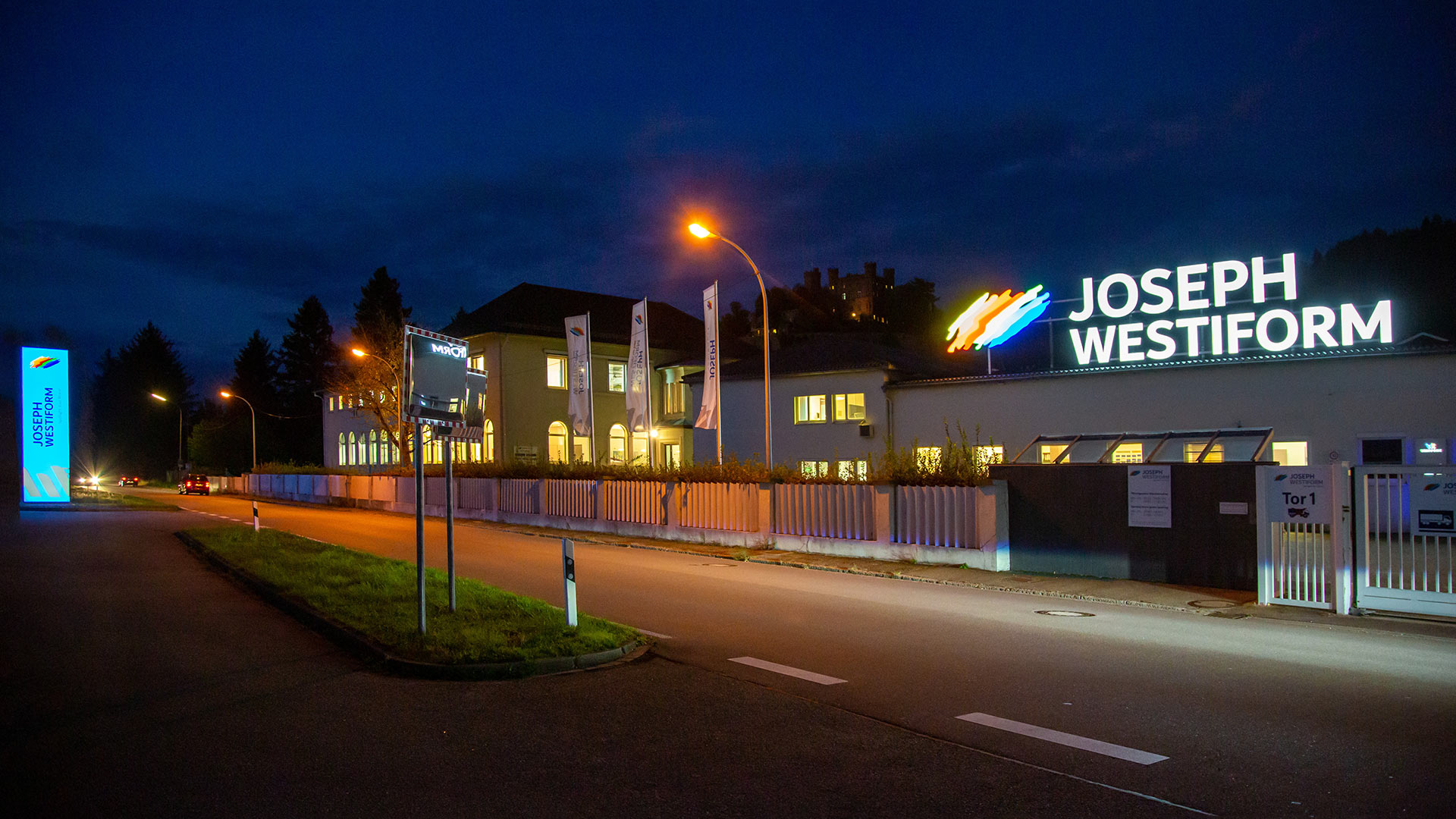
Was wir können
Wir sind Ihre Experten für die Realisierung von Corporate Design Großprojekten weltweit und die Entwicklung von innovativen, technischen Lösungen. Dabei unterstützen wir Sie in allen Projektphasen, von der Beratung, Entwicklung und Prototyping, über die Produktion und Installation bis hin zum After-Sales-Service,
nach dem Alles-aus-einer-Hand-Prinzip.
Lehnen Sie sich zurück, wir sind für Sie da.
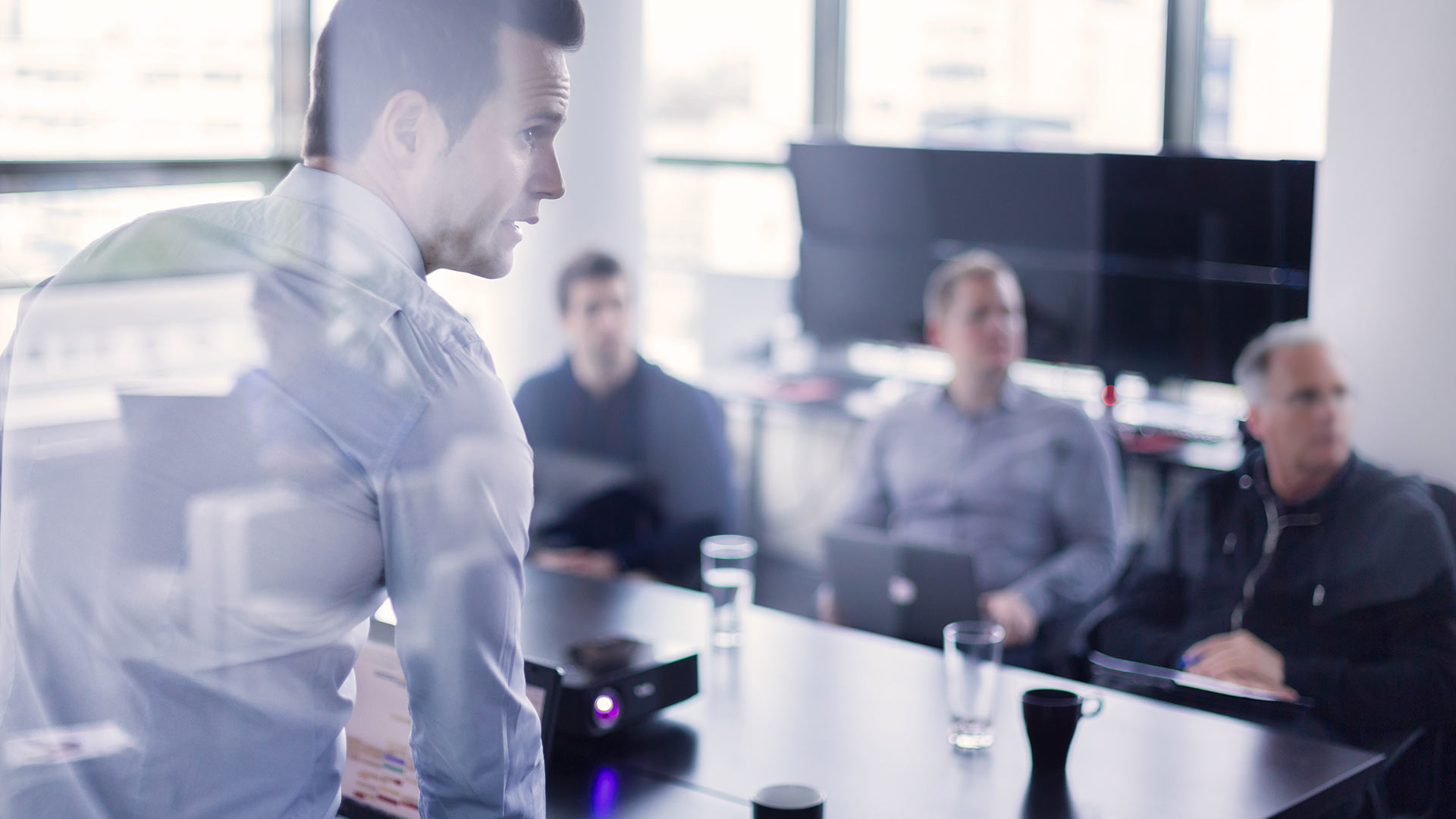
Beratung
Sie haben eine Idee, wie Sie Ihre Marke in Szene setzen möchten, aber noch keine genaue Umsetzungsstrategie? Kein Problem. Geht nicht, gibt’s bei uns nicht! Gemeinsam finden wir die für Sie passende Lösung.
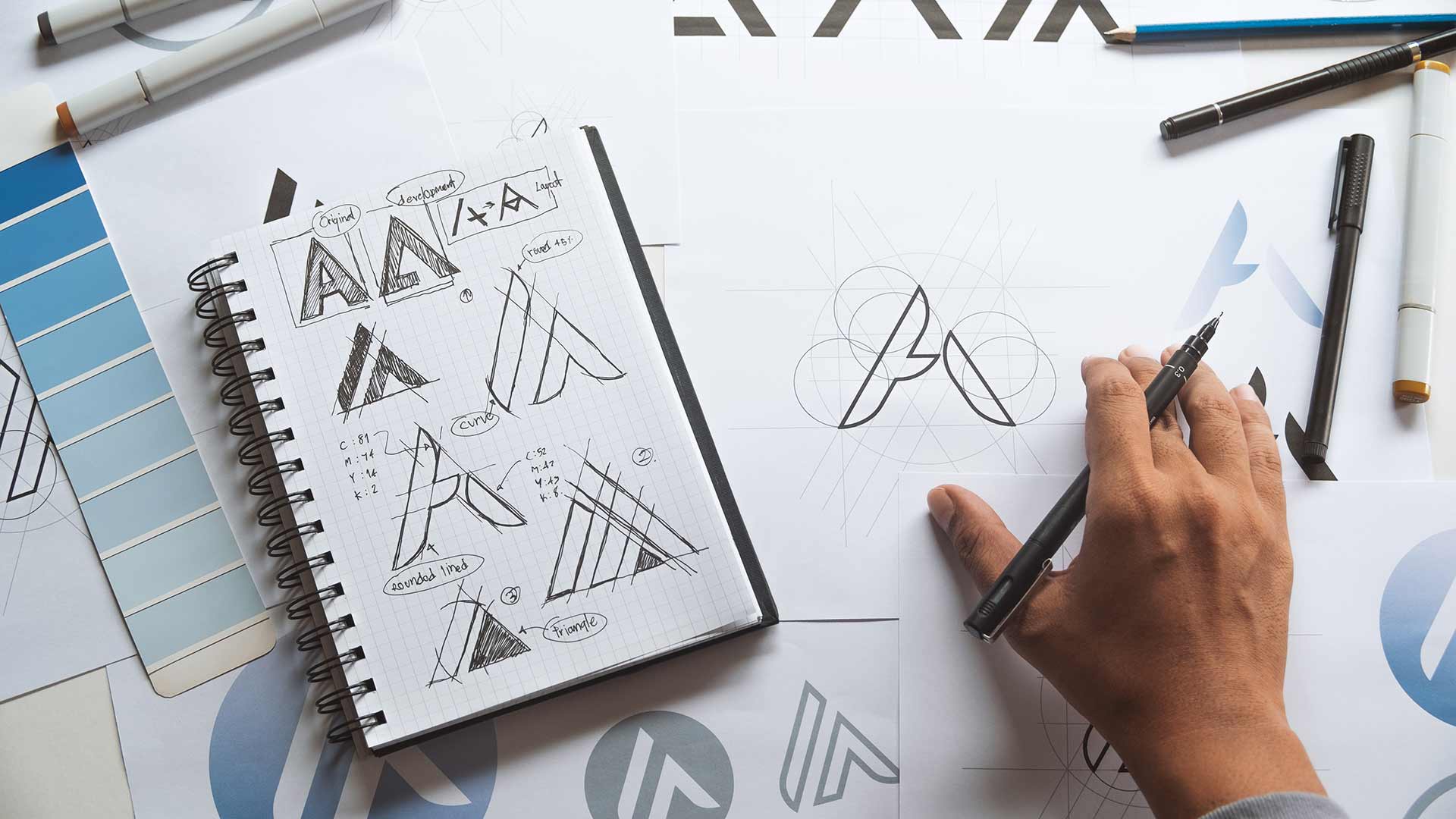
Entwicklung
Unser Engineering entwickelt mit jahrzehntelanger Erfahrung und technischem Know-how innovative Corporate Design Produkte und Lösungen, die zukunftsweisend sind. Speziell bei Serienprodukten achten wir darauf, dass sie effizient, kostengünstig und nachhaltig produziert werden können, die Qualität jedoch höchste Ansprüche erfüllt.
Prototyping
Prototypen bauen wir originalgetreu, mit den von Ihnen gewählten Materialien und in den definierten Ausführungen. Daran lässt sich direkt erkennen, ob die Produktgröße, Formen, Farben sowie die Lichtintensität harmonisch zusammenpassen. Was Sie im Prototyping sehen, können wir effizient und preisbewusst serienmäßig herstellen.
Produktion
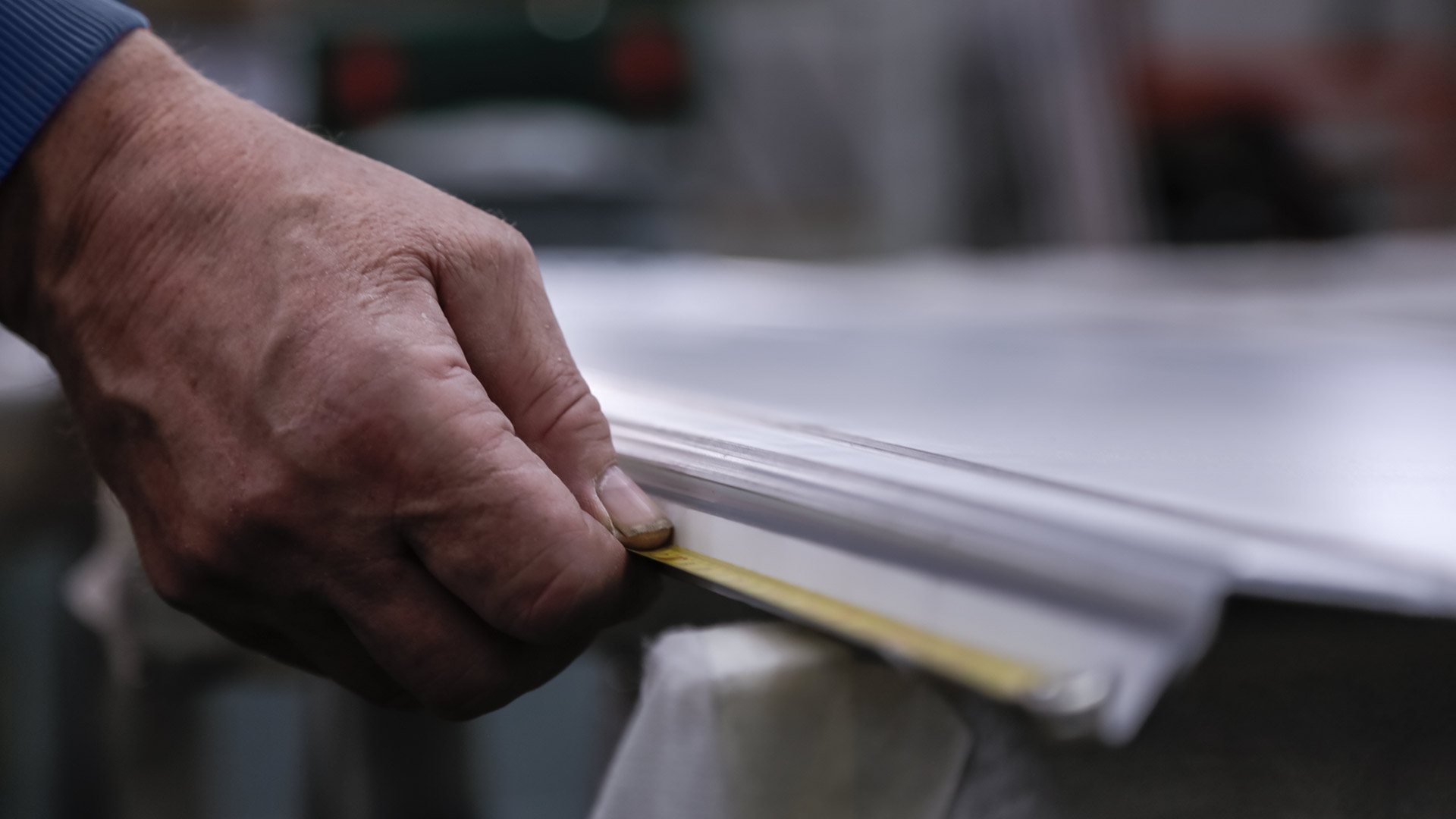
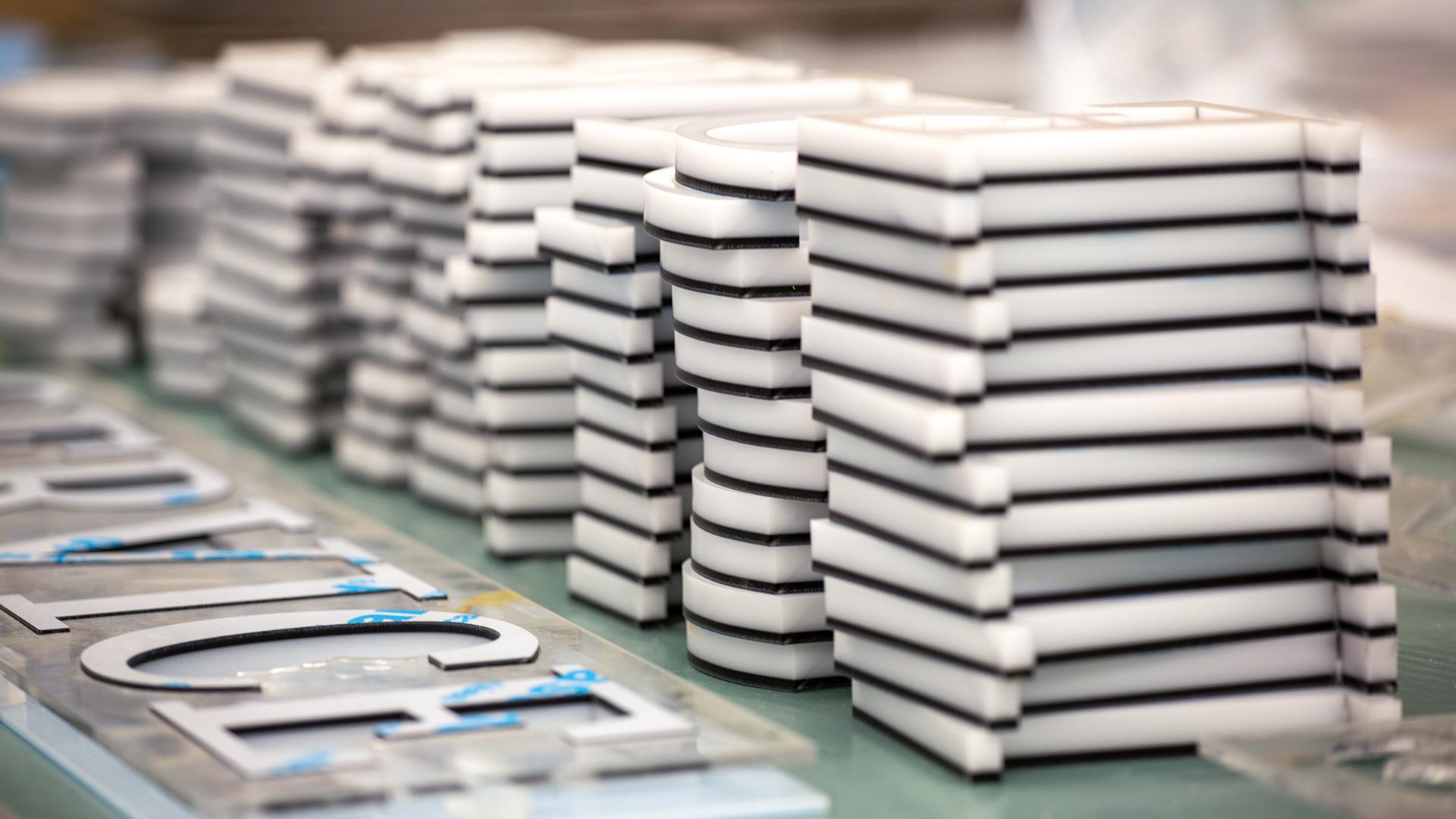
Unsere Produkte produzieren wir in unserem eigenen Produktionswerk. Dies ermöglicht uns Flexibilität und eine lückenlose Qualitätskontrolle.

Installation
Mit unserem zuverlässigen Partnernetzwerk installieren wir unsere Produkte weltweit und sorgen für einen reibungslosen und termingerechten Ablauf.

After-Sales-Service
Wir stehen Ihnen mit Rat und Tat zu Seite, natürlich auch nach Projektende oder sei es für Reinigungs- oder Wartungsarbeiten. Wann immer Sie uns brauchen, wir sind für Sie da.
Für wen wir Arbeiten
Ihre Marke ist besonders.
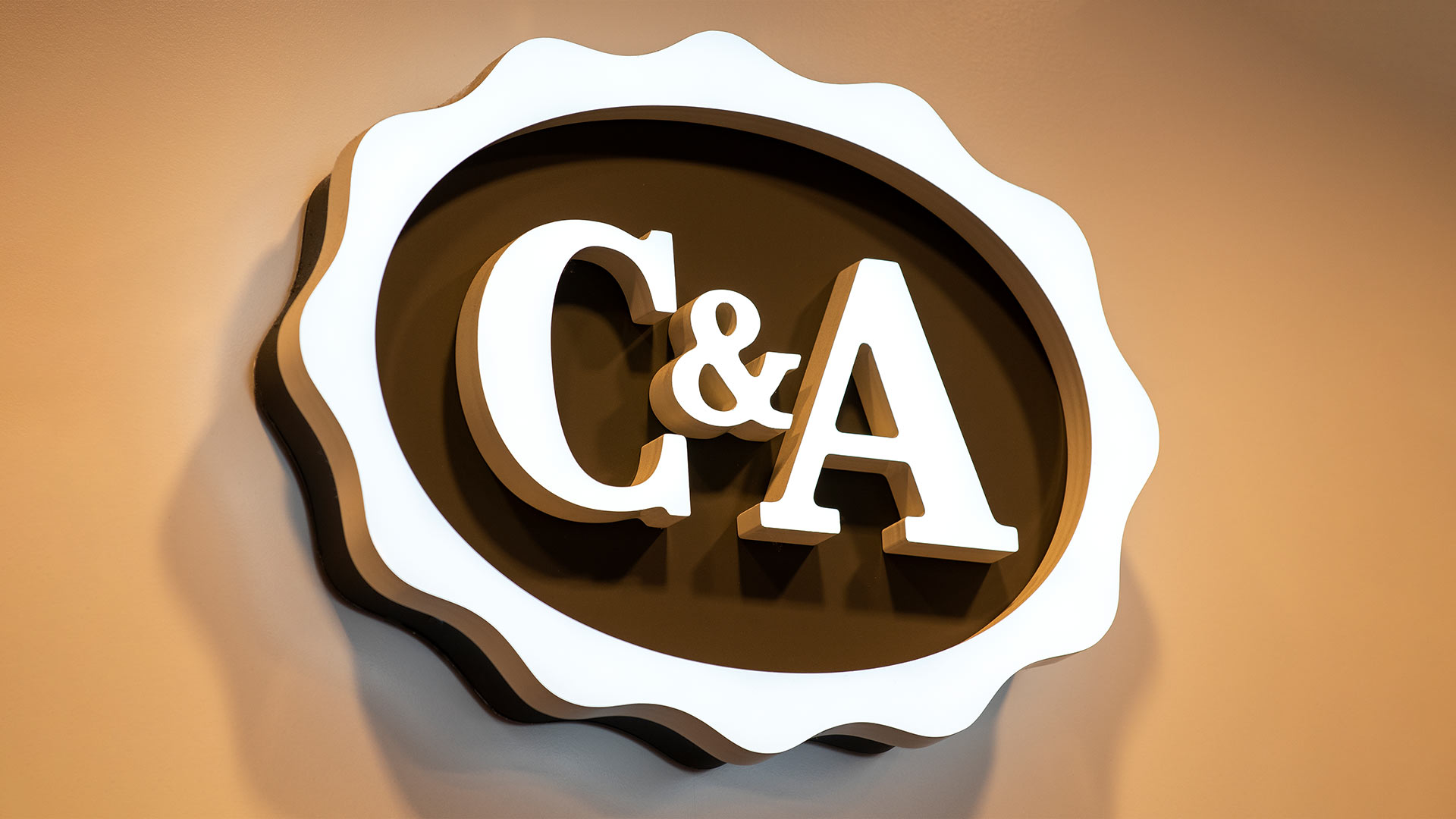
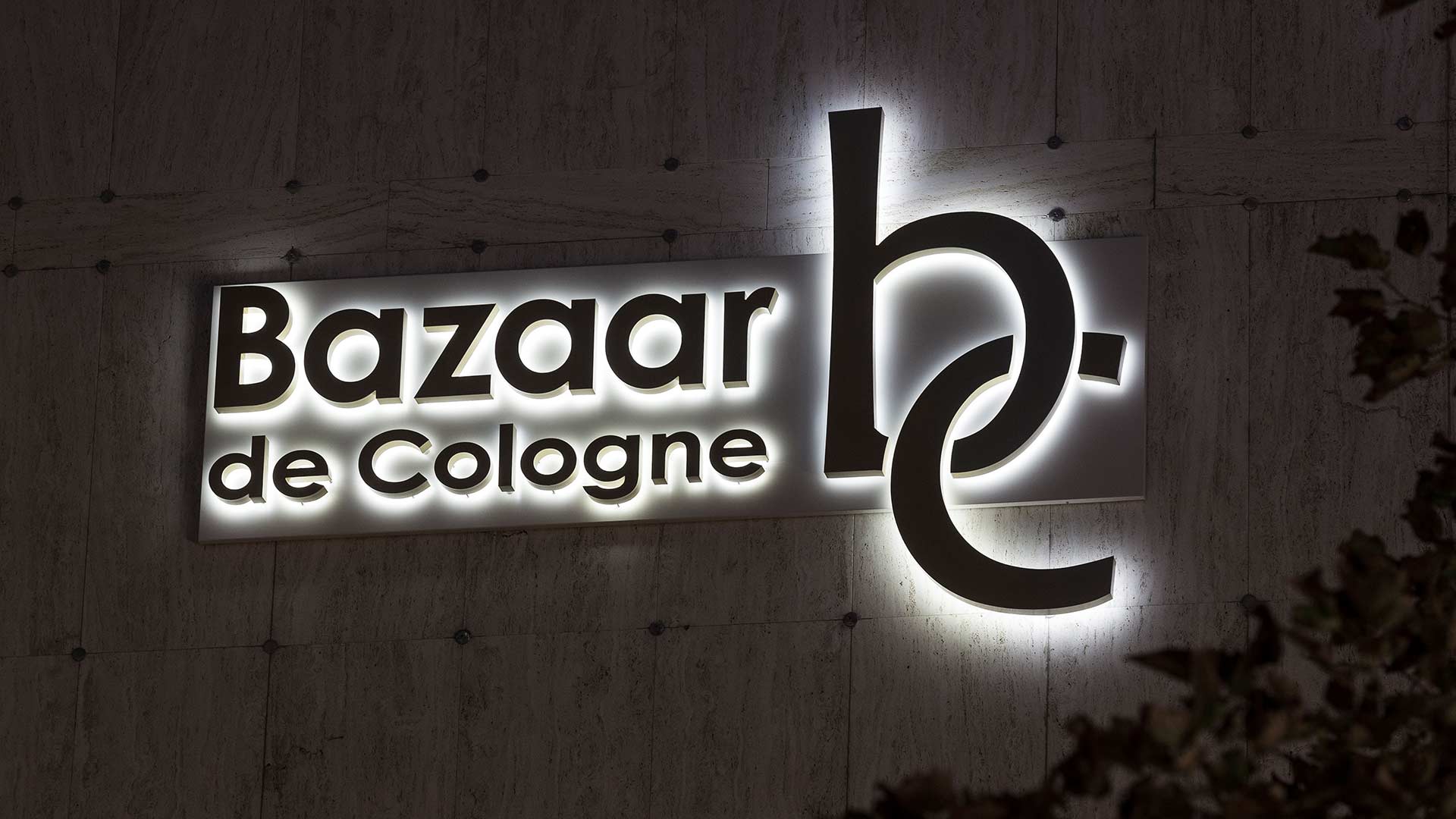
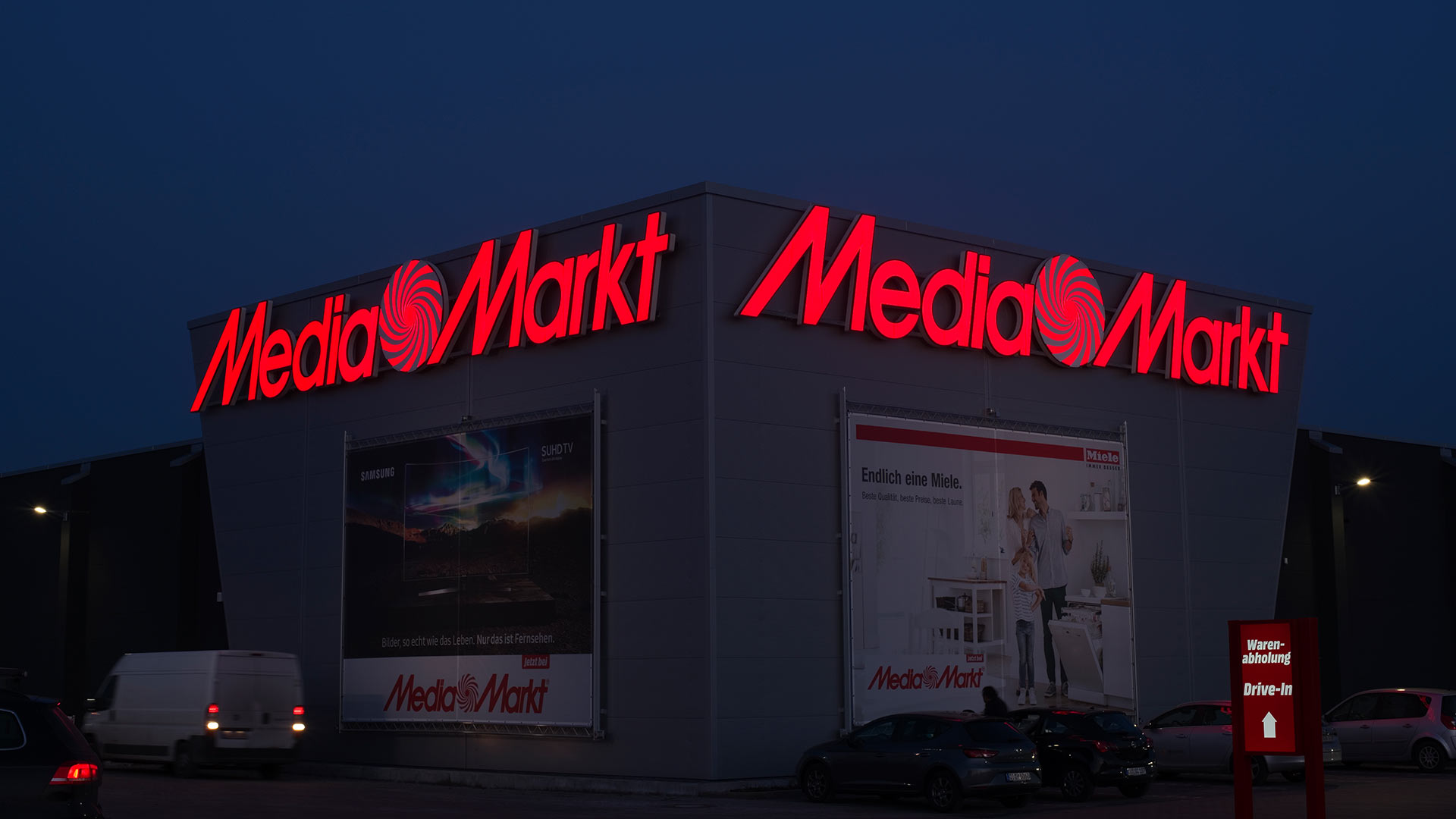
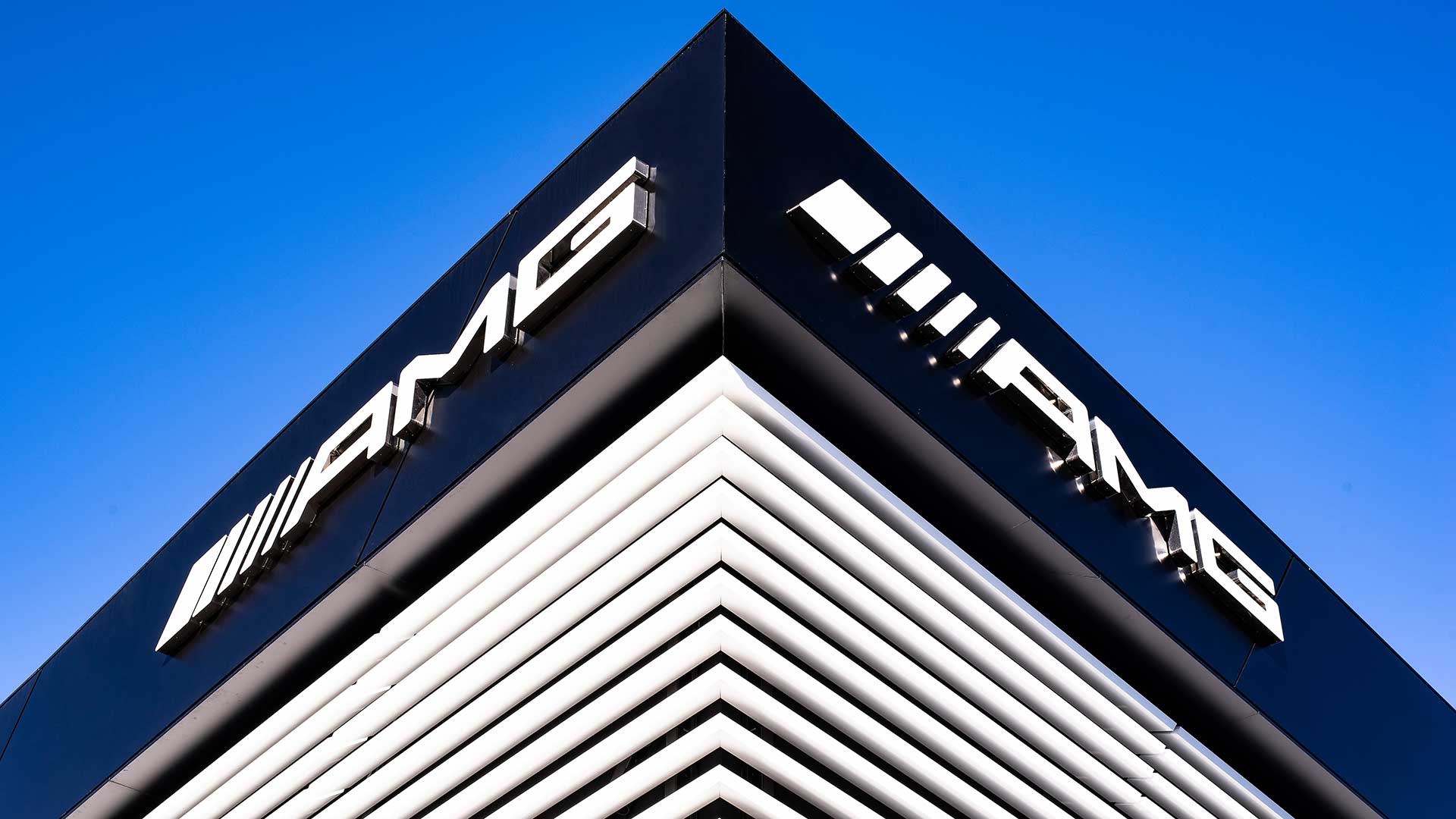
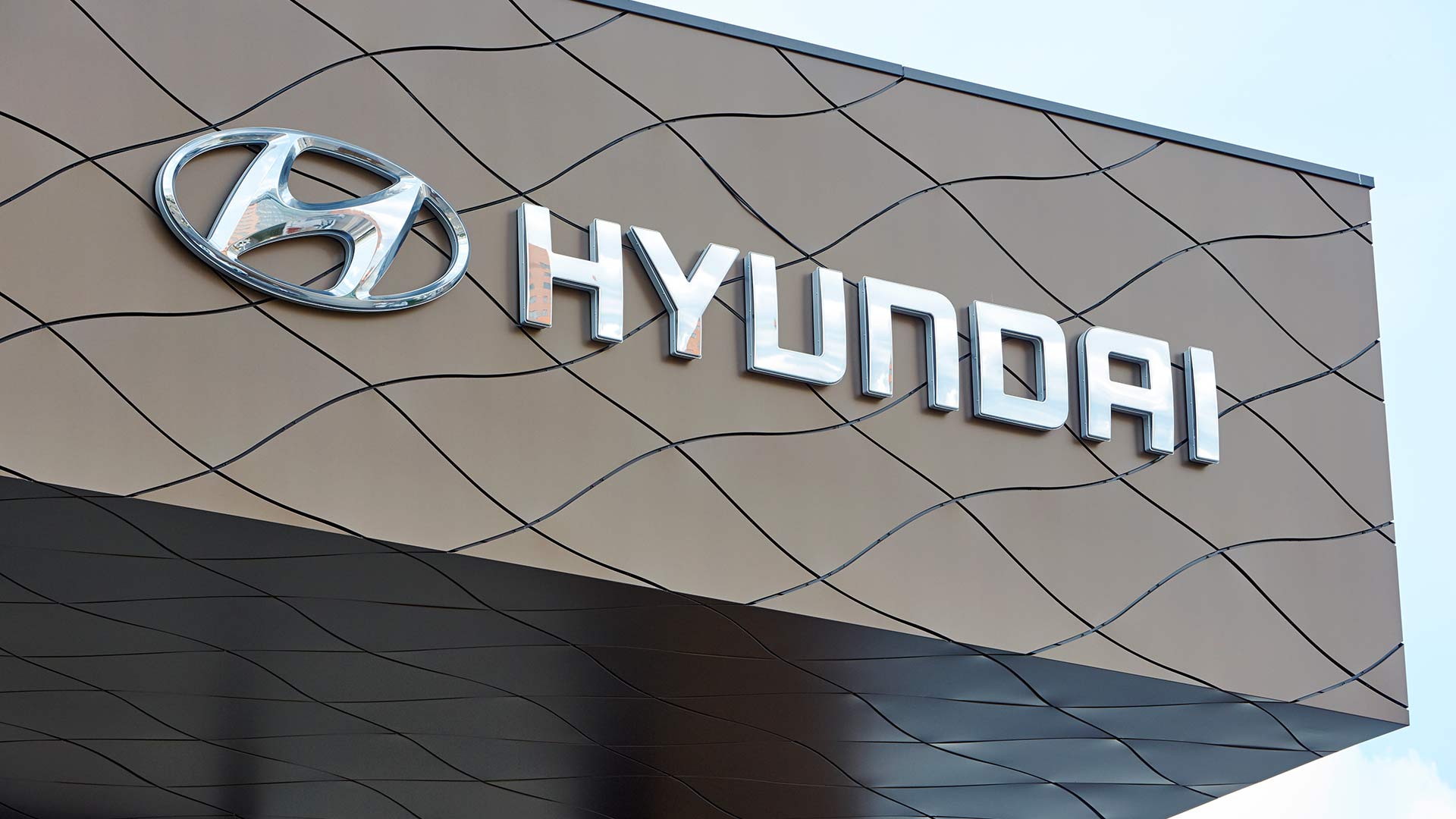
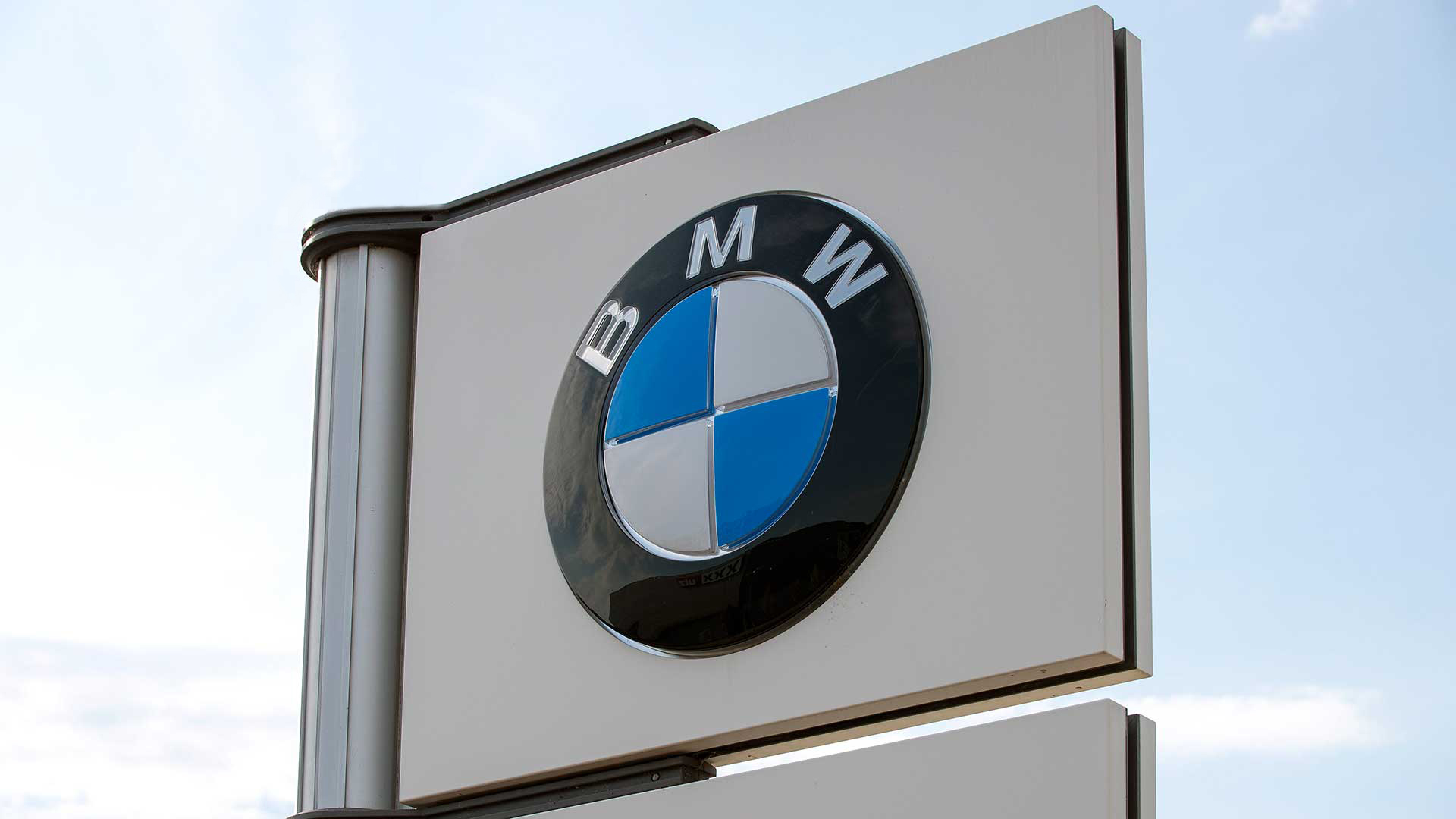
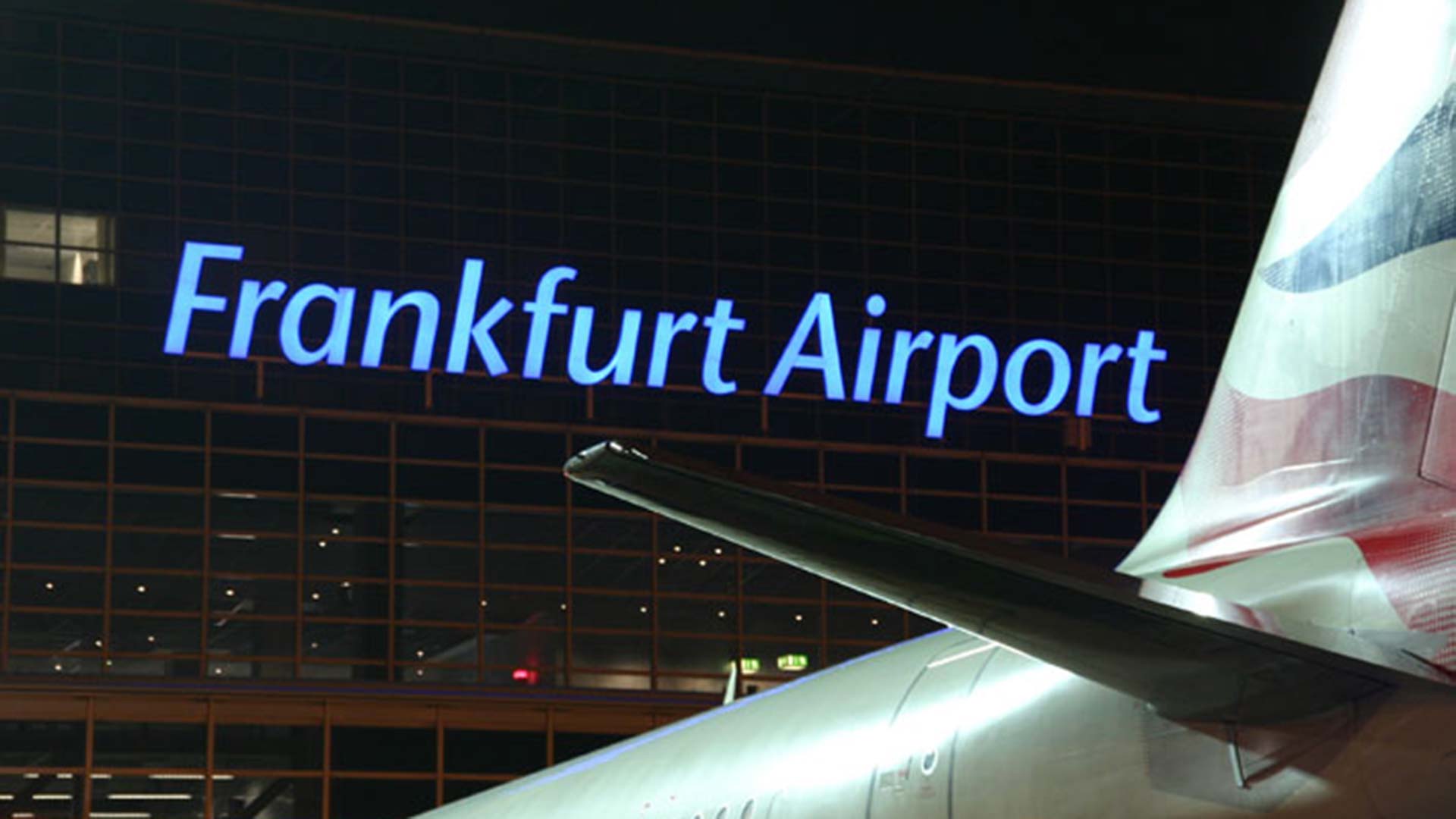
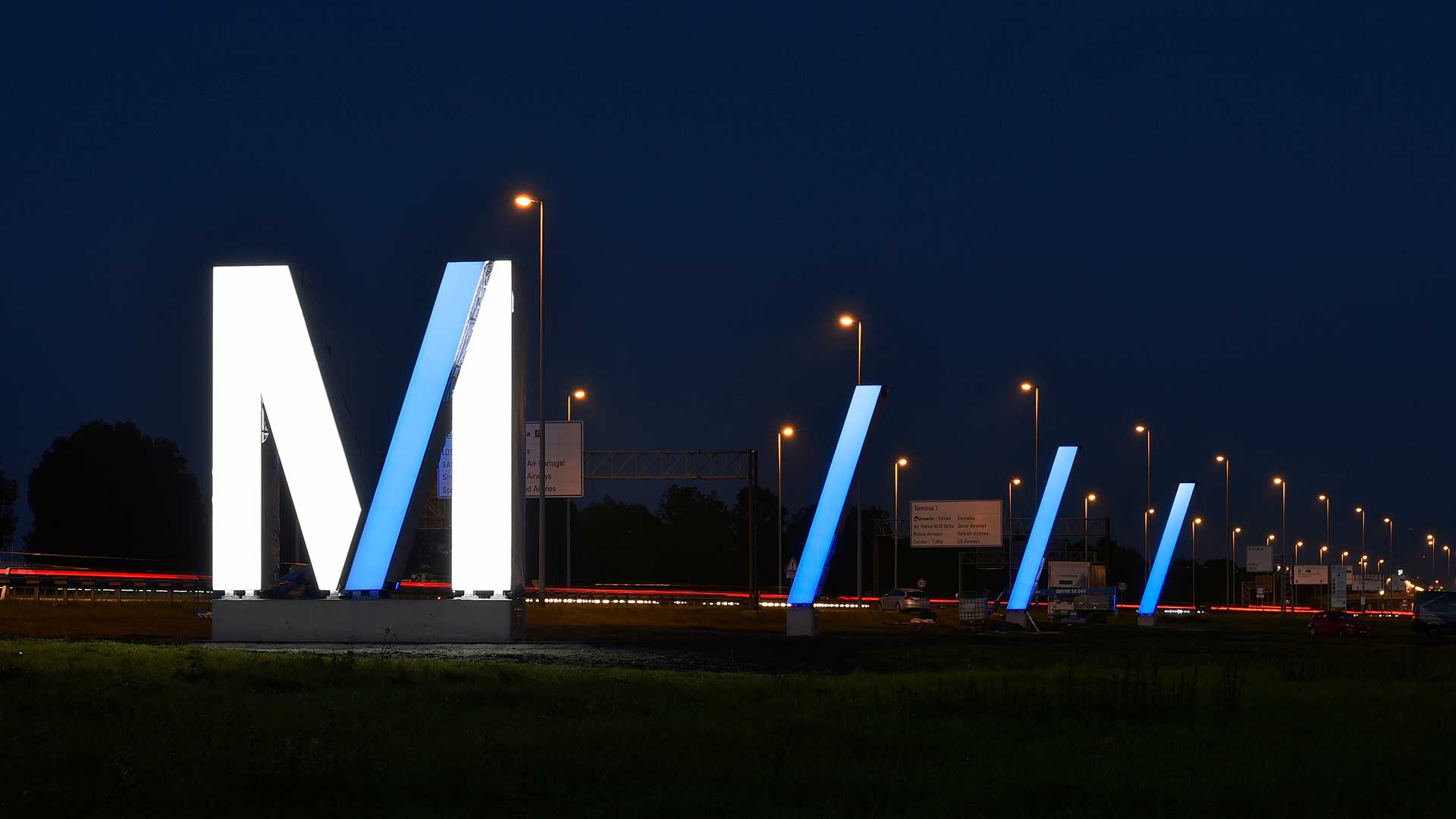
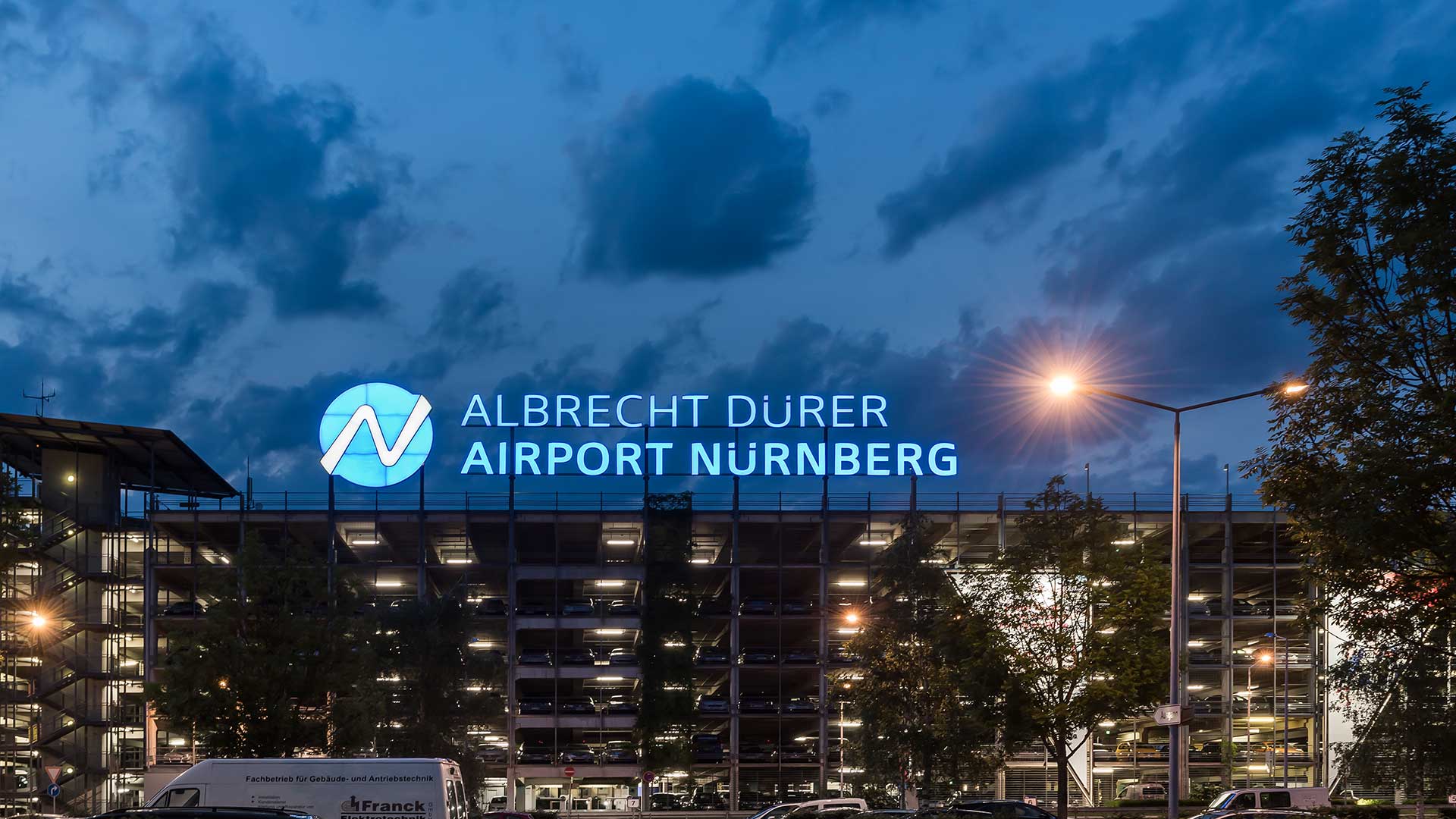
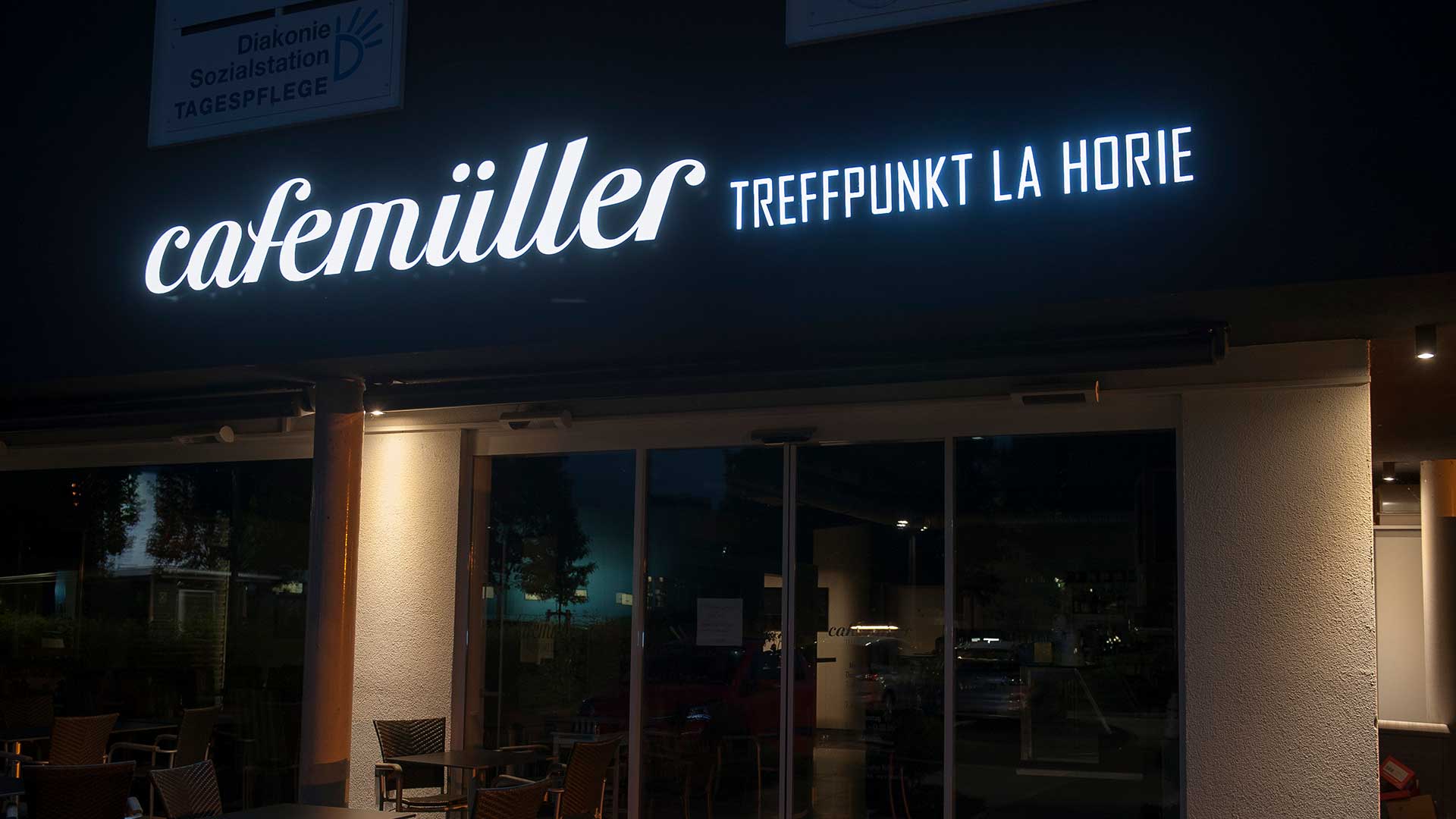
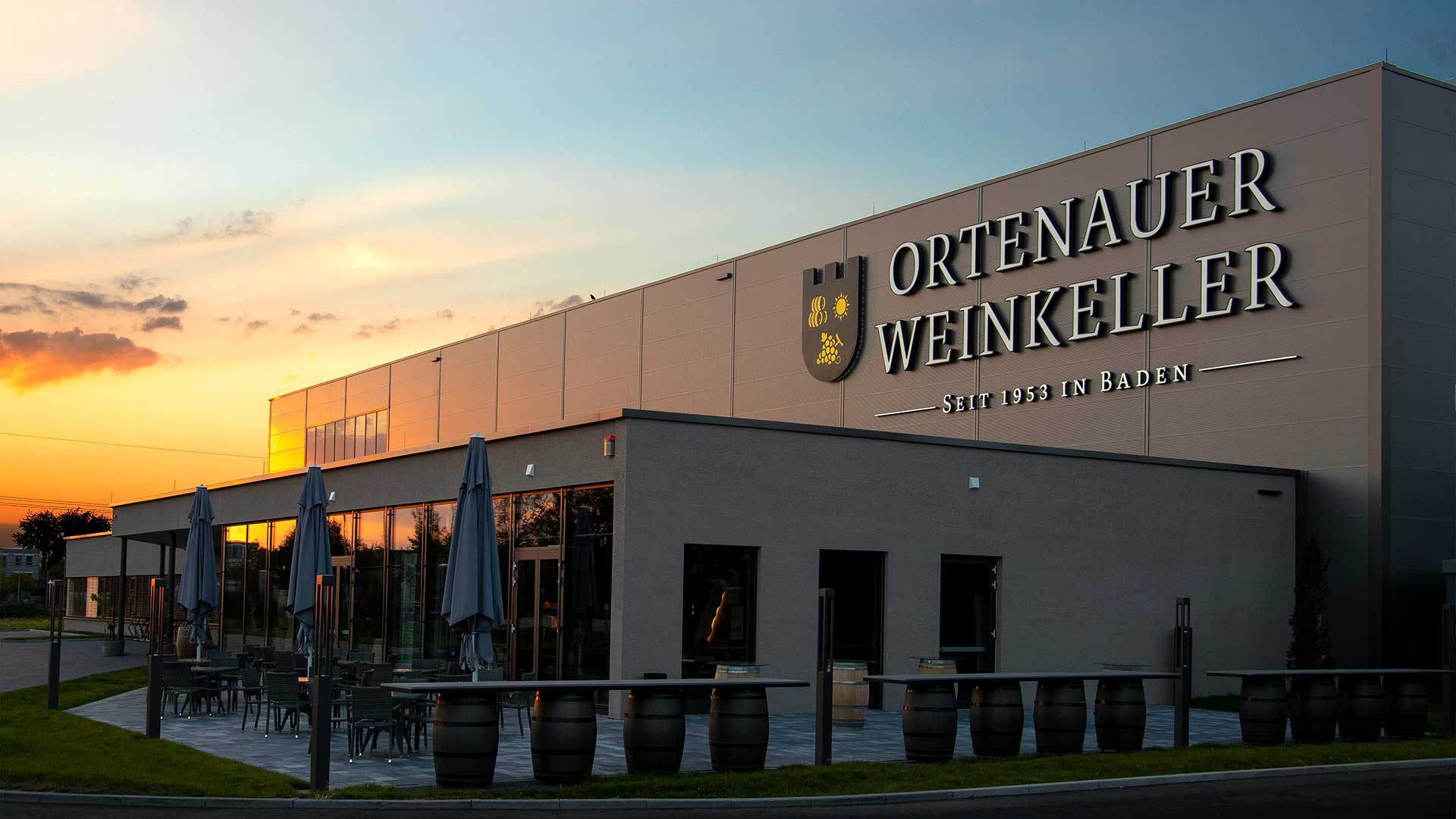
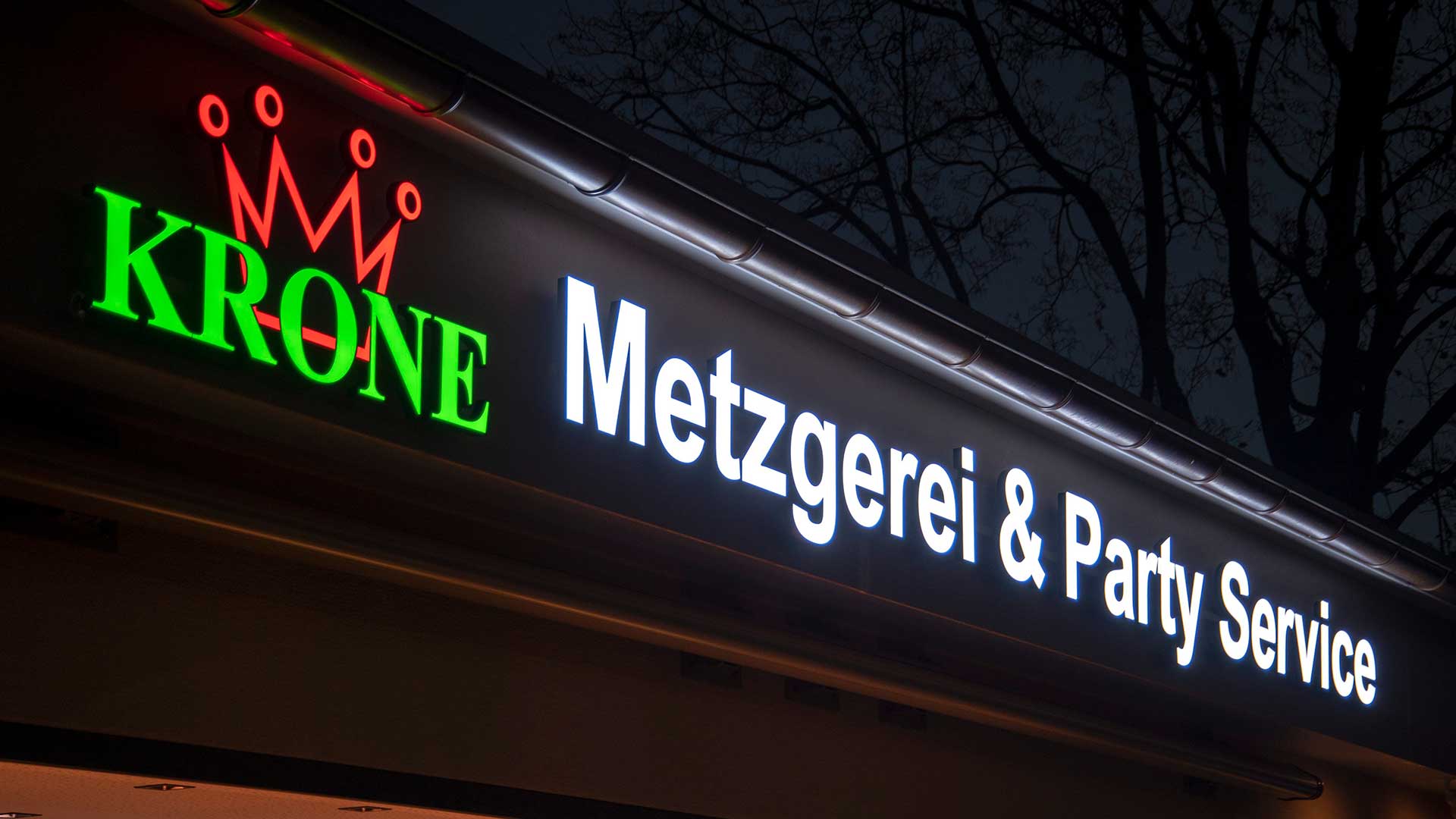
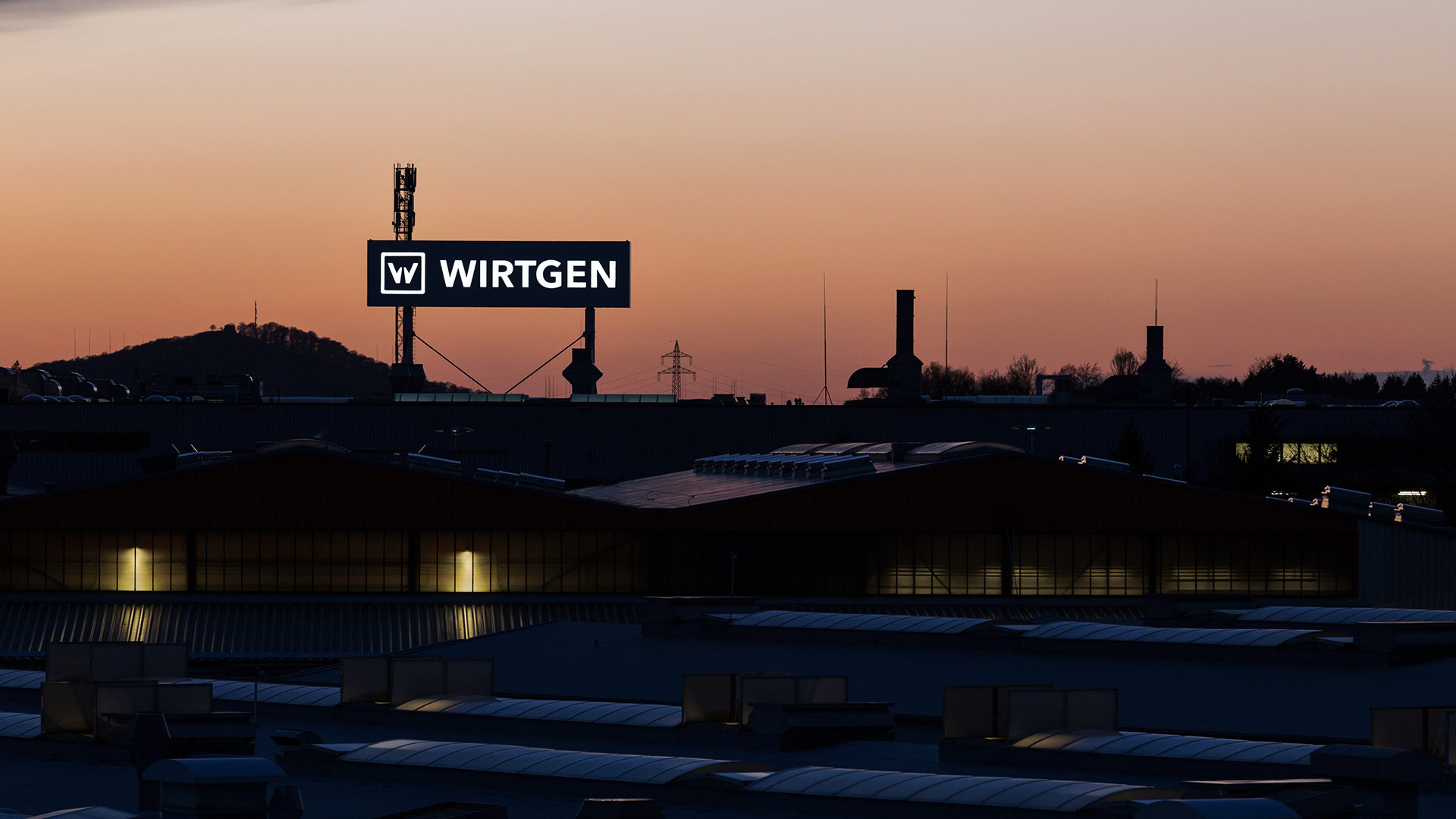
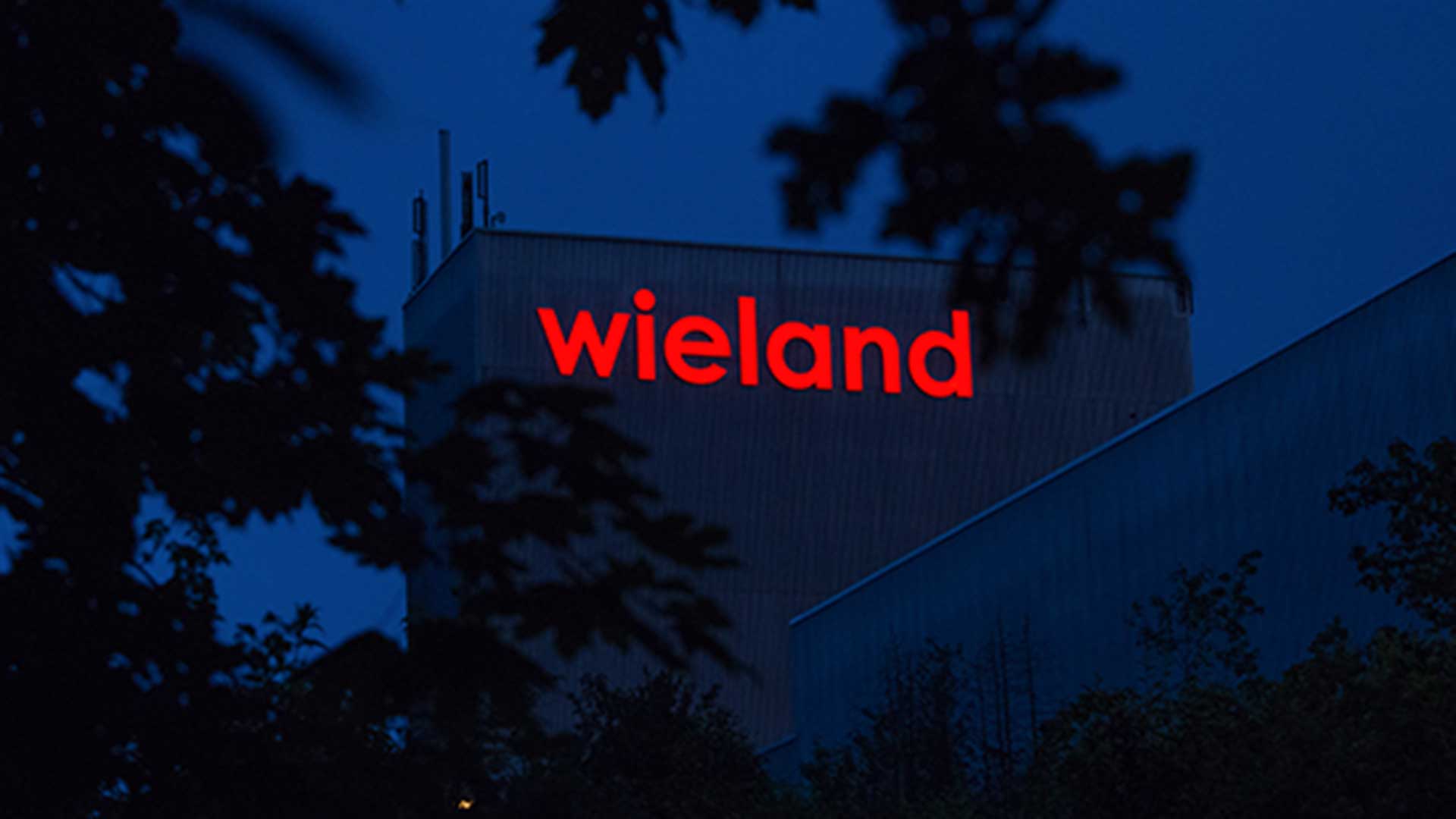
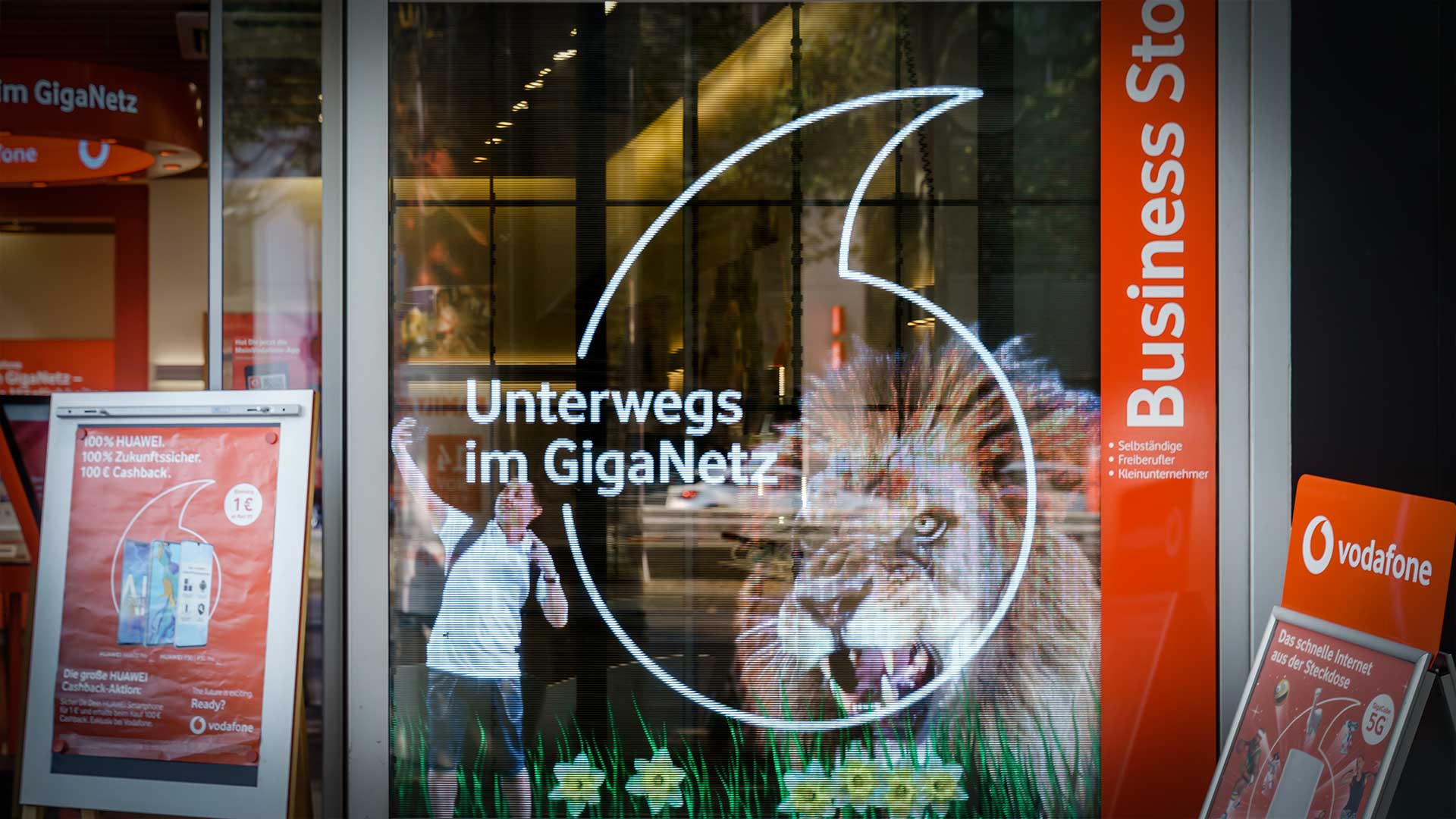
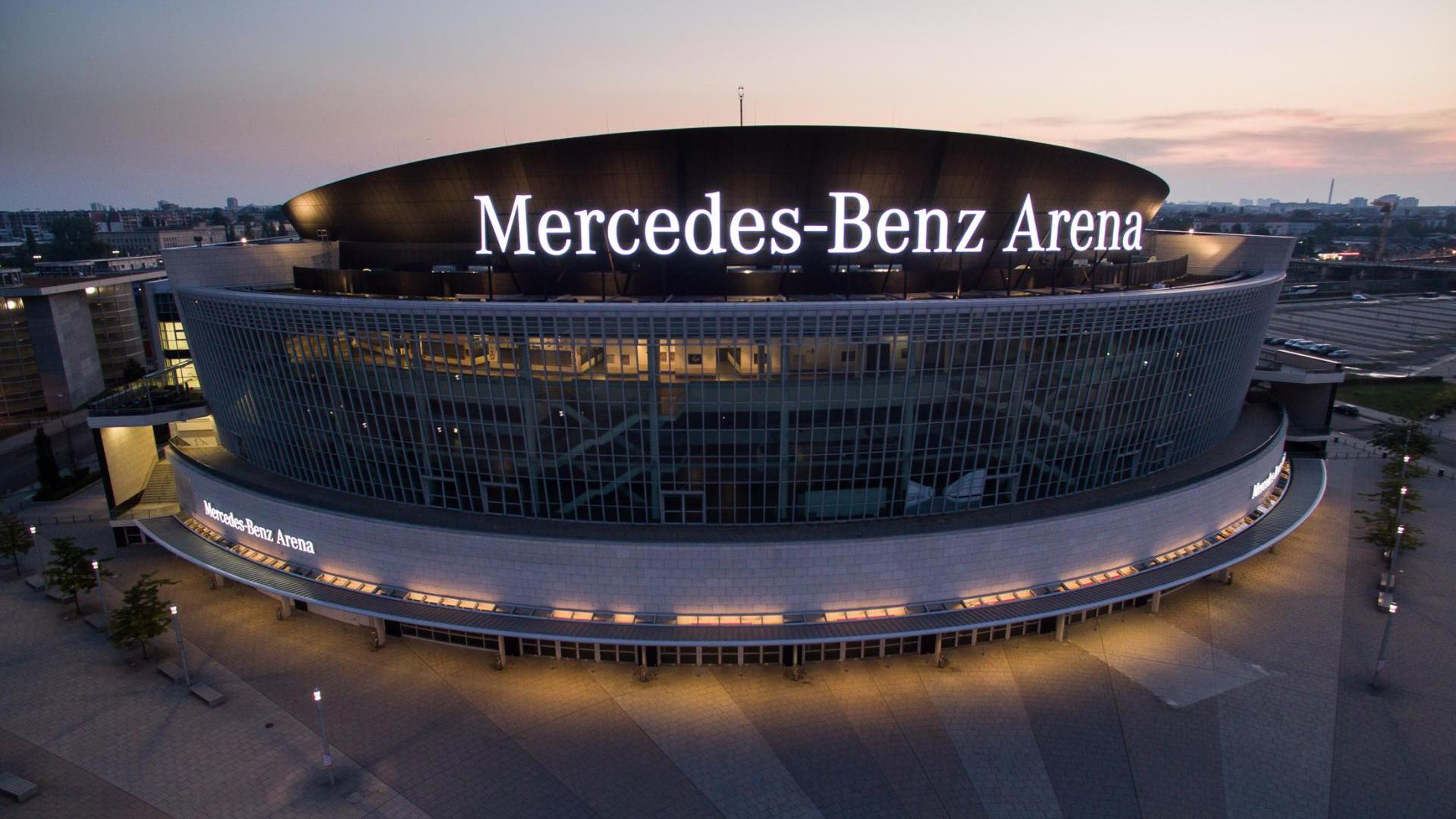
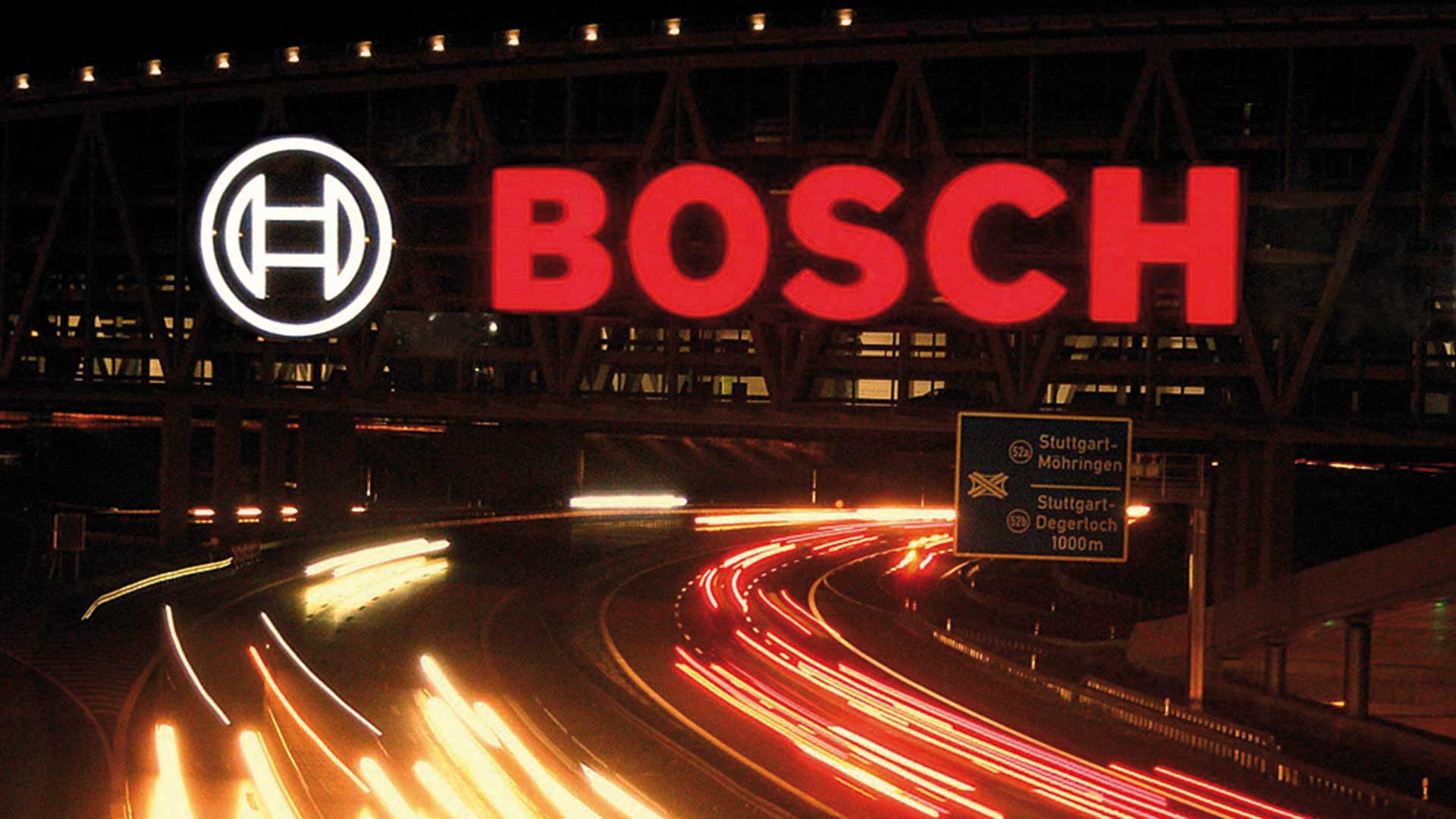
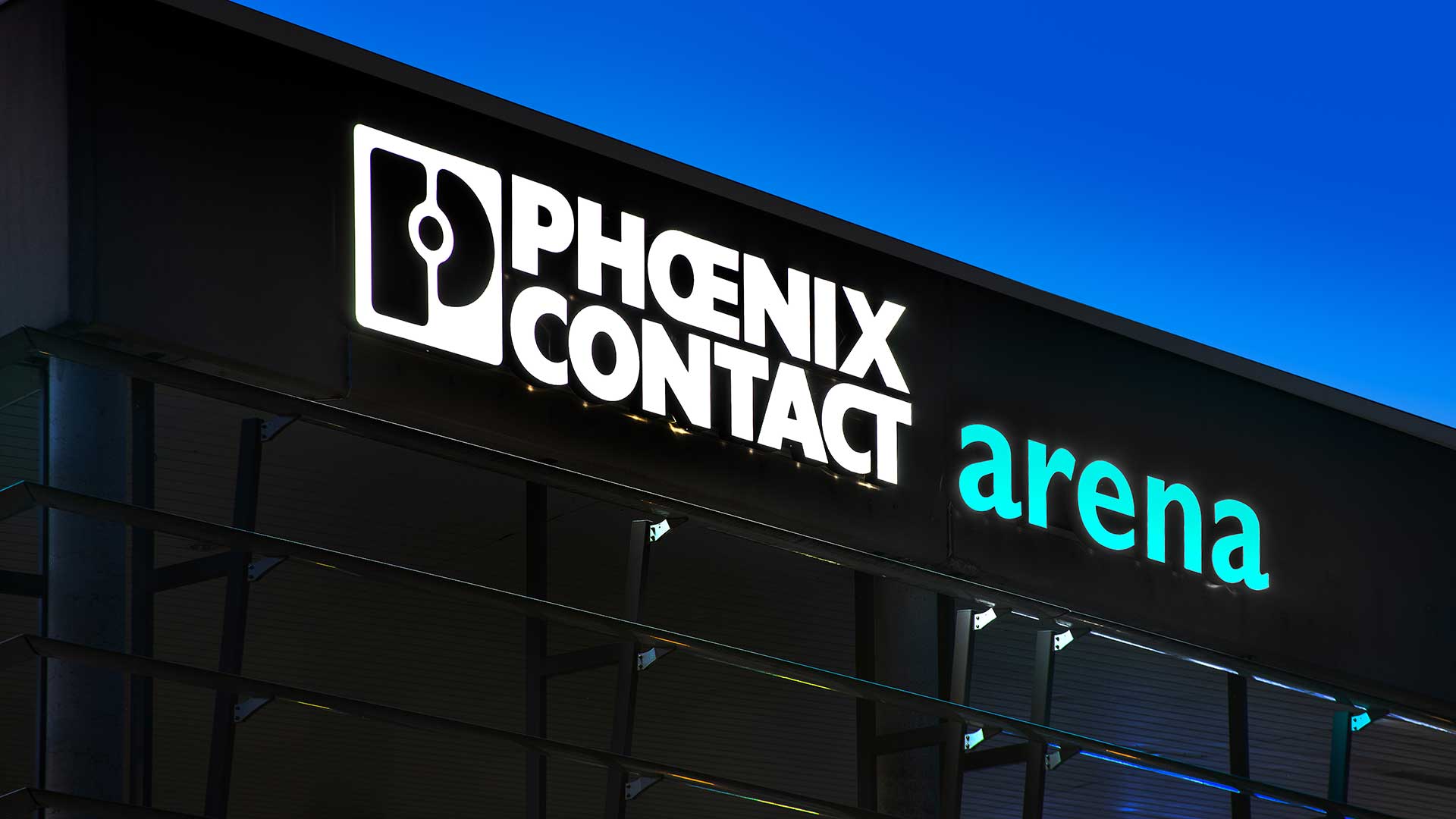
Wir sind stolz, diese Besonderheiten mit unseren Corporate Design Produkten hervorzuheben und den Markenauftritt namhafter Kunden weltweit begleiten und umsetzen zu dürfen. Hier ein Einblick in erfolgreich realisierte Corporate Design Projekte. Referenzen zu unseren technischen Lösungen finden Sie hier.
Wofür wir stehen
Wir stehen für innovative, qualitativ hochwertige Produkte und Lösungen, einen zuverlässigen Service sowie eine partnerschaftliche Zusammenarbeit. Immer getreu unserer Mission „Spotlight your brand“. Entdecken Sie, was uns ausmacht.
Exzellenz & Service
Einzigartige Marken wirkungsvoll in Szene zu setzen, ist unsere Unternehmensmission. Dabei überzeugen wir unsere Kunden und Partner durch Qualität, Knowhow, Persönlichkeit, Innovation und Service. Wir sind da, wenn man uns braucht und darüber hinaus. Gemeinsam suchen wir immer nach den besten Lösungen für alle.
Wertschätzung & Zuverlässigkeit
Wir gehen respektvoll und fair mit unseren MitarbeiterInnen, Kunden und Partnern um, schätzen und achten uns gegenseitig. Wir legen großen Wert auf eine zuverlässige, faire und vertrauensvolle Zusammenarbeit. Dabei streben wir eine langfristige Partnerschaft an, begegnen uns auf Augenhöhe, kommunizieren direkt, offen und transparent.
Qualität & Innovation
Wir produzieren mit langjähriger Erfahrung und technischem Knowhow qualitativ hochwertige Produkte und Lösungen, die umsetzbar sind und funktionieren. Die ISO-Zertifizierungen belegen dieses Managementsystem. Wir bieten ein gleichbleibend hohes Qualitätsniveau und sehen Marktveränderungen als Chance, täglich noch besser zu werden. Innovationen treiben wir voran, denn Stillstand ist Rückschritt.
Umwelt & Nachhaltigkeit
Bei unseren Prozessen und Produkten achten wir auf Umweltverträglich- und Nachhaltigkeit und haben dabei den gesamten Produktlebenszyklus im Blick. Unser großes Ziel ist es, bis 2030 klimaneutral zu werden. Dafür arbeiten wir als Partner im Bündnis "Zielgerade 2030" an entsprechenden Maßnahmen. Dazu tragen auch unsere Richtlinien zur Qualitäts- und Umweltpolitik bei. Denn Klimaschutz und Wirtschaft sind kein Gegensatz, sondern greifen idealerweise ineinander über.